The best discounts this week
Every week you can find the best discounts here.

Pecan Nuts USA

Chickpeas

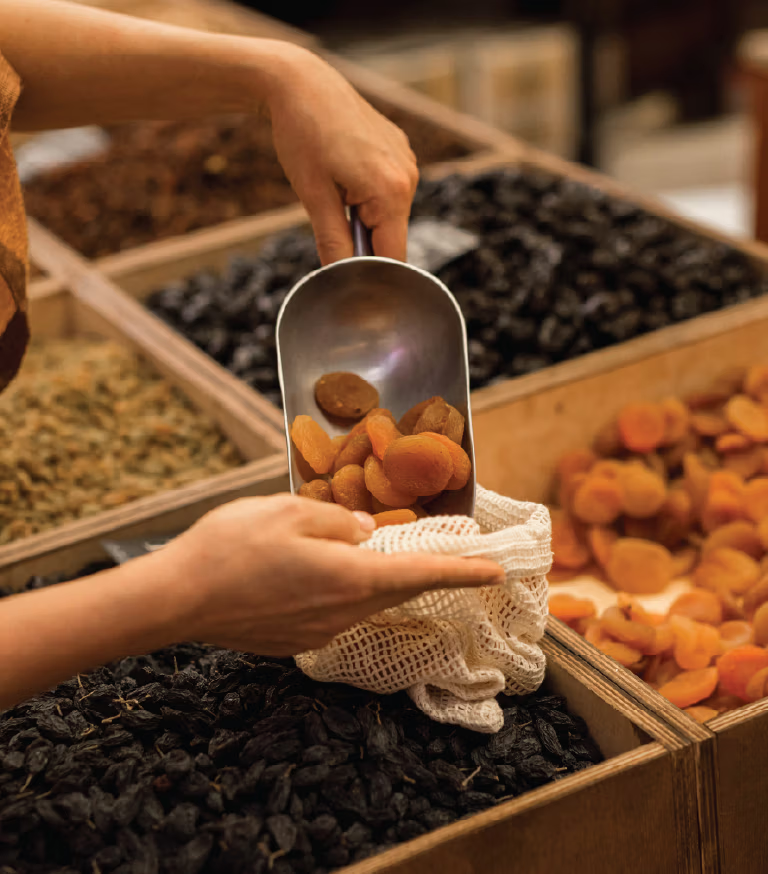
Black Raisins Uzbek
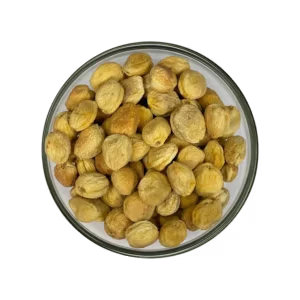
Apricot Jumbo

Almond USA

Brazil Nut
How to Choose High-Quality Nuts | A Buyer’s Guide
Introduction: Why Quality Matters More Than You Think
Nuts are among the most nutritious foods on the planet, but not all nuts are equal in quality. The way they are grown, harvested, processed, and stored greatly affects their taste, freshness, nutrition, and shelf life. Low-quality nuts may look attractive on the outside but can be stale, chemically treated, or nutritionally weak.
A smart buyer should know how to identify truly premium nuts. This guide explains everything you need to look for so you always get the best value and the best quality—whether buying almonds, cashews, pistachios, walnuts, or raisins.
1. Check the Appearance: Shape, Size, and Color Matter
The first thing you should observe is the visual quality.
Almonds
Premium almonds are uniform in size, firm, and have a natural brown color. Avoid almonds that look too shiny, greasy, chipped, or have white spots.
Cashews
High-quality cashews are whole nuts (not broken pieces), creamy white in color, and smooth in texture. Very bright white cashews may have been chemically processed.
Pistachios
Good pistachios naturally open at one end. They should have a clean shell and a fresh green kernel. Avoid pistachios with stains or excessive dust.
Walnuts
Walnuts should be light brown to golden in color. Dark, shriveled, or overly bitter nuts indicate old stock or poor storage.
Raisins
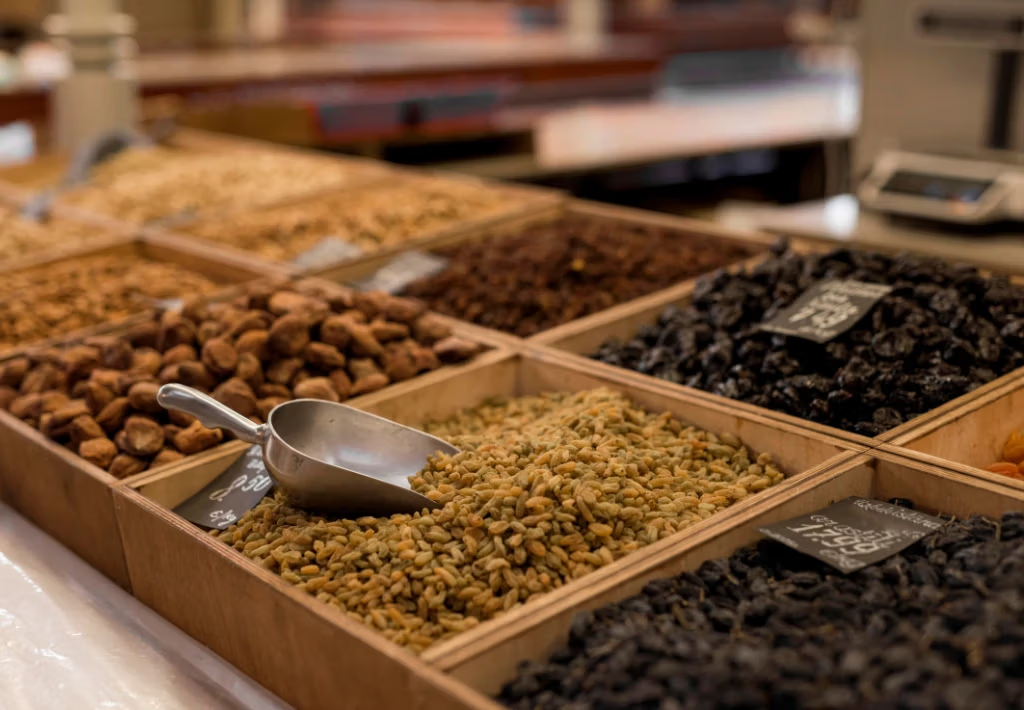
Premium raisins should look plump, clean, and naturally colored. Avoid ones that are excessively shiny or have an artificial coat of oil or sugar.
2. Check the Aroma: Fresh Nuts Always Smell Natural
Fresh nuts have a mild, natural, slightly sweet aroma. Stale or rancid nuts smell:
- Sour
- Musty
- Oily
- Like old cooking oil
Rancid nuts are not only unpleasant but also harmful for health. Always smell the nuts when possible, especially in loose packaging markets.
3. Avoid Nuts That Look Too Shiny or Too Perfect
Many sellers polish nuts with:
- Oils
- Chemicals
- Artificial shine enhancers
This may make them look attractive but reduces their natural quality. Good-quality nuts look clean, simple, and natural, not artificially shiny.
For example:
- Very glossy almonds may have been industrially polished.
- Extremely white cashews may have undergone chemical bleaching.
Natural appearance should always be your first preference.
4. Understand Grades: What Premium Grade Really Means
Nuts have different grades depending on size, shape, purity, and dryness.
Common grades include:
- Premium/AAA grade
- Select/Superior grade
- Standard grade
Higher-grade nuts:
- Have better taste
- Have higher nutritional content
- Contain fewer broken pieces
- Last longer
When possible, choose premium-grade nuts, especially if buying for daily consumption or gifting.
5. Check for Added Ingredients: Less Is Always Better
Some nuts come with:
- Added salt
- Added sugar
- Preservatives
- Artificial flavors
- Coatings
These reduce the natural benefits and add unnecessary chemicals or calories.
Always read the label and choose nuts that mention:
- No added preservatives
- No added sugar
- No artificial colors
- No harmful oils
Pure nuts give you the most nutritional value.
6. Consider the Source: Origin Affects Quality
Where your nuts come from makes a major difference.
For example:
- Afghan raisins are known for their natural sweetness.
- Iranian pistachios are famous for flavor and deep color.
- California almonds are consistent in quality.
- Indian cashews are widely appreciated for their freshness and taste.
Buying nuts from reliable, trusted origins ensures consistent quality and better safety.
7. Choose Nuts That Are Properly Packed
Packaging plays a huge role in keeping nuts fresh. Exposure to air, moisture, heat, or light can make nuts stale or rancid.
Look for:
- Airtight, sealed packets
- Moisture-proof packaging
- Zip-lock or vacuum-sealed bags
- Clear manufacturing and expiry dates
Avoid nuts sold openly in dusty markets or loose plastic bags.
8. Check the Texture: A Crisp Bite Means Freshness
The texture of nuts can tell you almost everything about their freshness.
Fresh nuts should be:
- Crisp
- Firm
- Crunchy
- Non-greasy
If the nut feels soft, rubbery, or too oily, it is either old or stored improperly. Raisins should feel plump and naturally sticky, not overly dry or sugary.
9. Buy from Trusted Sellers Only
The seller or brand you choose is one of the most important factors in determining quality. Trusted brands conduct strict quality checks and ensure safe processing.
A good supplier:
- Follows proper storage conditions
- Offers clearly labeled products
- Maintains hygiene
- Ensures proper packaging
- Provides consistent quality
Buying from a reputed source means you’re less likely to encounter stale or adulterated nuts.
10. Understand Price vs. Quality
High-quality nuts require careful farming, sorting, and packaging. Extremely low prices often indicate:
- Old stock
- Poor-quality nuts
- Mixed grades
- Chemical polishing
Premium nuts cost more because they genuinely offer:
Better taste, better nutrition, and longer shelf life.
Always compare price with:
- Grade
- Origin
- Packaging
- Brand reputation
Don’t compromise on quality when it comes to health.
Conclusion
Choosing high-quality nuts is not complicated once you know what to look for. By checking the appearance, aroma, packaging, source, and texture, you can easily identify premium nuts that offer superior taste and nutrition.
High-quality nuts not only enhance your daily diet but also support long-term health. Whether you consume them directly or use them in recipes, choosing pure and fresh nuts ensures you receive their full benefits.